# Hiking
# National Parks
Five Essential Skills for Overnight Hiking in Yellowstone
Learn navigation, bear safety, water filtration, tent setup, and leave-no-trace principles before…
Read

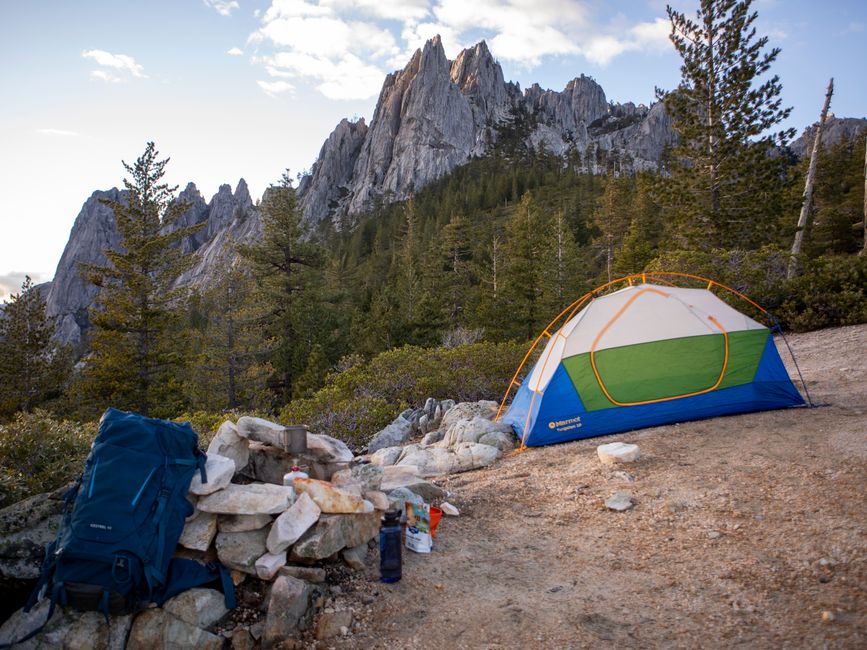
At Wild Trails, we believe every adventurer begins with a single step. Our approach to exploring nature emphasizes preparation, observation, and respect for the environment. This page serves as a gateway to curated hiking trails, wildlife encounters, and essential survival knowledge designed for those new to the outdoors. Learn how to plan your first trip, identify animal tracks, and build a safe camp. Let your curiosity guide you.
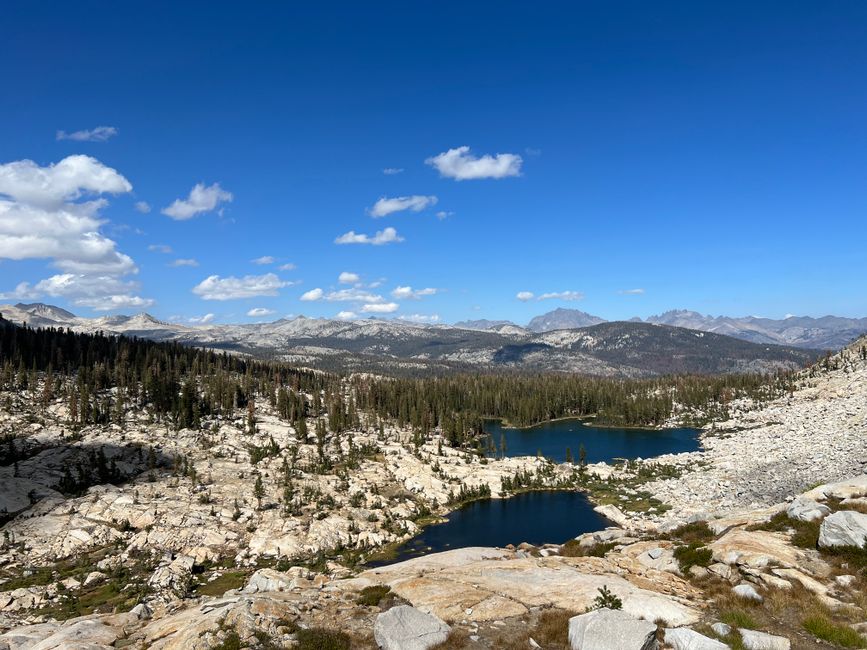
Selecting a trail that matches your experience level is the first step in a rewarding outdoor adventure. Curated trails often include clear markings, moderate terrain, and scenic points that allow for gradual skill development. Consider factors such as distance, elevation gain, and available water sources. Many beginner-friendly routes loop back to the trailhead, simplifying navigation. Reviewing trail descriptions and recent conditions helps you prepare for variable weather and terrain.
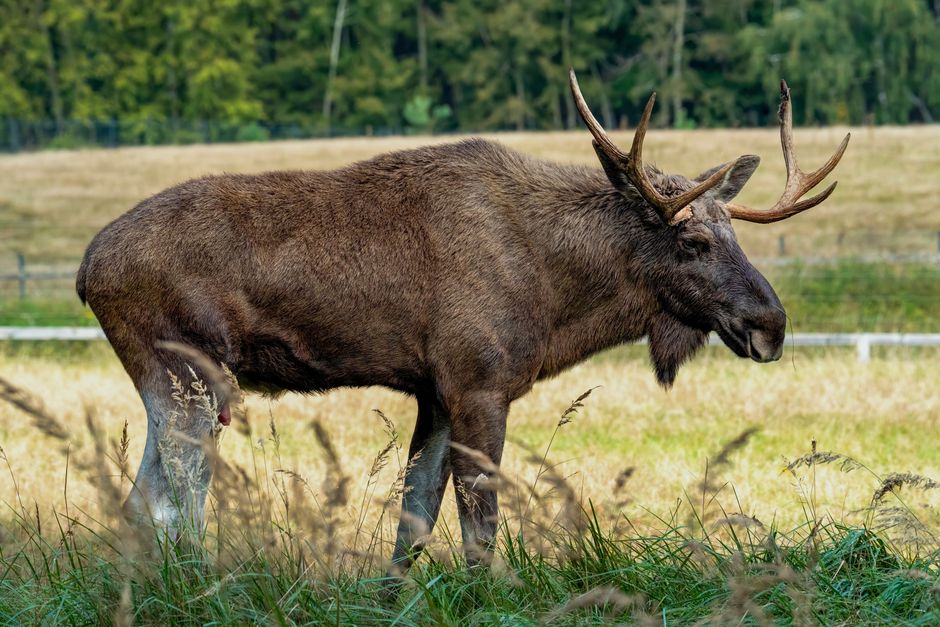
Observing wildlife in its natural habitat requires patience and quiet movement. Common species like deer, birds, and small mammals may be spotted along forest edges or near water. Maintain a safe distance—at least 100 feet for most animals—and avoid feeding or startling them. Early morning and late afternoon are peak activity times. Carrying binoculars and a field guide enhances identification without disturbing the animals.
Basic survival skills focus on preparation and situational awareness. Learn how to read a map and compass, pack a waterproof fire starter, and carry a first-aid kit tailored to outdoor activities. Knowing how to signal for help and find shelter in an emergency provides confidence. Practice these techniques during short outings so they become second nature. Remember that weather and personal fitness are key variables in any outdoor scenario.